Thumb: Pulgar
Environment: Medio ambiente
Pollution: Contaminación
Eco-friendly: Ecológico
Greenhouse gas: Gases de efecto invernadero
Fossil fuels: Combustible fósil
Global warming: Calentamiento global
Flu: Gripe
A caught: Tos
Monday, 11 March 2019

Sunday, 10 March 2019
H.PROJECT (III)
1.- What period does the Middle Ages cover?
The Middle ages goes from 476 to 1453.
2.- What general characteristics does it have (according to the teacher's comments)?
They wrote music in the churches and they invented the medieval music.
3.- What is the main different between "troubadours" and "minstrels"?
The troubadours is a high birth person who dedicated himself to compose, shape and interpret his works for a didactic and entertainment purpose, and the minstrels are street artists who memorized and orally recited the themes of popular tradition.
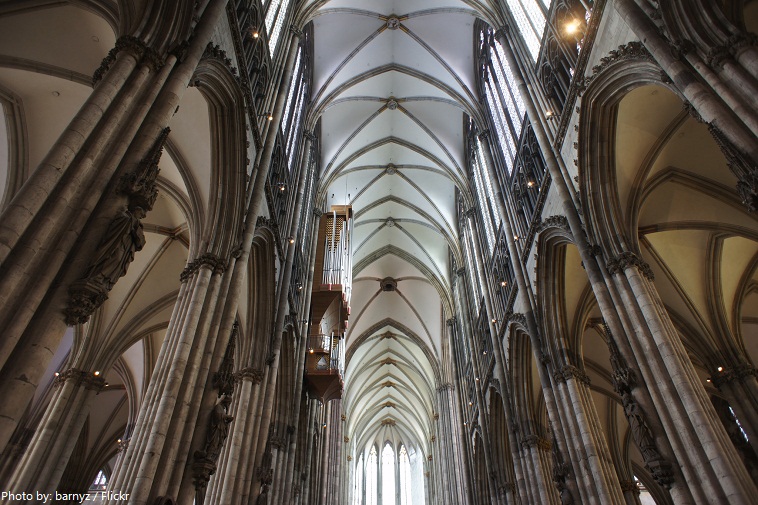
4.- Pay attention to these two monuments (a Romanic church and a Gothic cathedral). What do their different heights have in common with the music evolution of those centuries?
The romanic church have little arcs and have mainus high than the Gothic cathedral.

The Middle ages goes from 476 to 1453.
2.- What general characteristics does it have (according to the teacher's comments)?
They wrote music in the churches and they invented the medieval music.
3.- What is the main different between "troubadours" and "minstrels"?
The troubadours is a high birth person who dedicated himself to compose, shape and interpret his works for a didactic and entertainment purpose, and the minstrels are street artists who memorized and orally recited the themes of popular tradition.
4.- Pay attention to these two monuments (a Romanic church and a Gothic cathedral). What do their different heights have in common with the music evolution of those centuries?
The romanic church have little arcs and have mainus high than the Gothic cathedral.
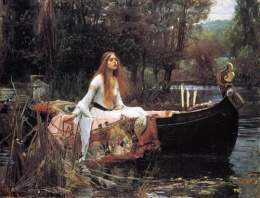
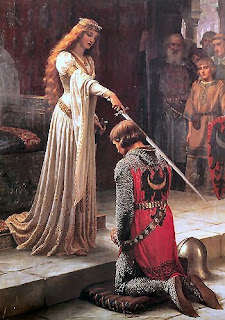
5.- What do you feel looking at these pictures (taken from the 19th century but directly linked to the Middle Ages)? In your own opinion, what kind of music could accompany these images?
The music can accompanied this pictures is like ceremony and homophonic music.

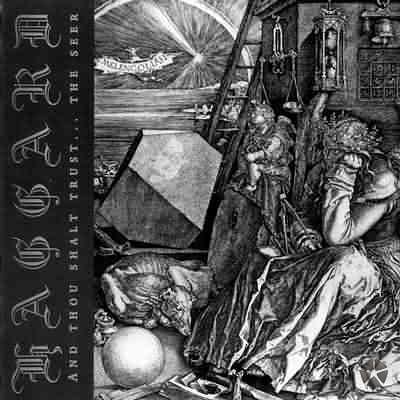
6. Why does Heavy Metal music love this aesthetic?
Because it has high sound and is very distorsionated and this photos are very expressive, the dragon is very strong like the heavy metal.
:format(jpeg):mode_rgb():quality(90)/discogs-images/R-1992917-1257286845.jpeg.jpg)

Sunday, 24 February 2019
YOU ARE WHAT YOU EAT
BREAKFAST:
- Milk with Nesquik
- Cookies
- Ham sandwich
- Half a liter of water
- Meat
- BANANA
- Orange juice
- nocilla sandwich
DINNER:
- CHICKEN
CONCLUSION: I think this meal for a day is good; maybe I could include some fish like cod or meat like chicken in the lunch or in the dinner, because there aren´t so many proteins. I could include more fruit and vegetables because they have a lot of vitamins, and this diet needs vitamins, but I think it´s OK. I could add one piece in the breakfast (or some type of juice), other in the lunch and other in the dinner, so it could be a better diet. maybe I could change the nocilla sandwich in the snack for another healthier food.
Monday, 18 February 2019
THE FUTURE

I don't think he ´ll enjoy this one.
I think he'll pass all his exams.
You ´re going to buy the shoes.
He's going to have an accident.
Tuesday, 12 February 2019
I.Vocabulary II
Tenor: tenor
Grand piano: piano``de cola´´
Ligature: ligadura
Snare drum: caja
Clap: palmada
Orchestra: orquesta
Conductor: director
Esemble: formación musical
Aerophon: aerófono
Bow: arco
Pluck: pulsa, puntear
Viola: Viola
Double bass: contrabajo
Harp: arpa
Woodwind: viento madera
Saxophone: saxofón
Clarinet: clarinete
French horn: trompa
Amplifier: amplificador
Mezzo-soprano: mezzo-soprano
Baritone: barítono
Kettle drum: timbal
Musical meaning: significado musical
Rhythm: ritmo
Dot: puntillo
Drums: batería
Bar: compás (el espacio del pentagrama)
Time signature: compás (la fracción numérica)
Tempo: ``tempo´´
Chordophone: cordófono
String: cuerda
Rub: frotar
Guitar pick: púa
Violoncello: violonchelo
Tuning peg: clavija
Brass: viento metal
Mouthpiece: boquilla
Oboe: oboe
Trumpet: trompeta
Percussion: percusión
Soprano: soprano
Grand piano: piano``de cola´´
Ligature: ligadura
Snare drum: caja
Clap: palmada
Orchestra: orquesta
Conductor: director
Esemble: formación musical
Aerophon: aerófono
Bow: arco
Pluck: pulsa, puntear
Viola: Viola
Double bass: contrabajo
Harp: arpa
Woodwind: viento madera
Saxophone: saxofón
Clarinet: clarinete
French horn: trompa
Amplifier: amplificador
Mezzo-soprano: mezzo-soprano
Baritone: barítono
Kettle drum: timbal
Musical meaning: significado musical
Rhythm: ritmo
Dot: puntillo
Drums: batería
Bar: compás (el espacio del pentagrama)
Time signature: compás (la fracción numérica)
Tempo: ``tempo´´
Chordophone: cordófono
String: cuerda
Rub: frotar
Guitar pick: púa
Violoncello: violonchelo
Tuning peg: clavija
Brass: viento metal
Mouthpiece: boquilla
Oboe: oboe
Trumpet: trompeta
Percussion: percusión
Soprano: soprano
Tuesday, 15 January 2019
G.Self-Assessment (First Term)
1.-What can I do that I couldn't do before?
Now I can make difficult rhythms.
2.-What I do like most?
I like watch videos.
3.-What do I do well?
I do well playing the recorder.
4.-What am I confused about?
I didn't confuse in nothing
5.-What do I need help with?
I need help with the pronunciation
6.-What do I do in English and /or music outside the class?
I watch English films.
7.-What do I need to improve?
I need to improve playing the recorder and the rhythms.
8.-What did I learn about culture?
I learn about 80 century.
Now I can make difficult rhythms.
2.-What I do like most?
I like watch videos.
3.-What do I do well?
I do well playing the recorder.
4.-What am I confused about?
I didn't confuse in nothing
5.-What do I need help with?
I need help with the pronunciation
6.-What do I do in English and /or music outside the class?
I watch English films.
7.-What do I need to improve?
I need to improve playing the recorder and the rhythms.
8.-What did I learn about culture?
I learn about 80 century.
Monday, 14 January 2019
READING BOOK :TUTANKHAMUN (II)
CHAPTERS 7-8:
1.-Treasures: Tesoros
2.-Bury: Enterrar
3.-Pain: Dolor
4.-Baldy injured: Gravemente
CHAPTERS 9-10:
1.-Heartbroken: Con el corazón roto
2.-Casket: Ataúd
3.-Mummy: Momia
4.-Wooden: De madera
5.-Damaged: Dañado
6.-Lead: Plomo
7.-Affairs: Asuntos
8.-Foreign minister: Ministro de relaciones exteriores
9.-The curse of the mummy: La maldición de la momia
CHAPTERS 11-12:
1.-Didn't trust: No confié en...
2.-Truth: Verdad
3.-Guests: Invitados
4.-Intended: Destinado
5.-Missed: Perdido
SECOND TERM
My New Year's Resolutions are:
-STUDY MORE
-SPEND MORE TIME WITH MY GRANDPARENTS
-DO MORE EXERCISE



-DO MORE EXERCISE
READING BOOK :TUTANKHAMUN (I)
CHAPTERS 1-2:
1.-Anthem: Himno
2.-Alone: Solo
1.-Anthem: Himno
2.-Alone: Solo
3.-Chief advisor: Consejero jefe
4.-Excitement: Emoción
4.-Excitement: Emoción
5.-Parade: Desfile
6.-Performed: Actuar
7.-Waved: Saludar
8.-Archery: Tiro con arco
9.-Bow and arrow: Arco y flecha
10.-Pulled: Tiraban
11.-Speeches: Discursos
6.-Performed: Actuar
7.-Waved: Saludar
8.-Archery: Tiro con arco
9.-Bow and arrow: Arco y flecha
10.-Pulled: Tiraban
11.-Speeches: Discursos
CHAPTERS 3-4:
1.-Sword fighting: Pelea de espadas
2.-Trainer: Entrenador
3.-Embarrassed: Desconcertado/a
4.-Swung: Oscilador
5.-Fell in love with: Se enamoró de...
6.-Stable boy: Chico estable
7.-Wrestling: Lucha
8.-Luxurious: Lujoso
9.-Weak: Débiles
10.-Pushed: Empujado
11.-Ground: Suelo / Terreno
12.-Fair: Justo
13.-Yourself: Tú mismo
14.-Lifted: Levantado
15.-Shocked: Conmocionado/a
CHAPTERS 5-6:
1.-Marriage: Matrimonio
2.-Ostrich: Avestruz
3.-Proud: Orgulloso
4.-Bride: Novia
5.-Fan: Abanico
6.-Chased:Perseguido
7.-Brave: Valiente
1.-Marriage: Matrimonio
2.-Ostrich: Avestruz
3.-Proud: Orgulloso
4.-Bride: Novia
5.-Fan: Abanico
6.-Chased:Perseguido
7.-Brave: Valiente
Wednesday, 12 December 2018
GLOSSARY UNITS 0-1
Pavement : Calzada
Drop : Soltar
Whisper : Susurrar
Lonely : Solitario
Sweatshirt : Camiseta de entrenamiento
Sandals : Sandalias
Drop : Soltar
Whisper : Susurrar
Lonely : Solitario
Sweatshirt : Camiseta de entrenamiento
Sandals : Sandalias

Thursday, 29 November 2018
CLAUDIA PINA
CLAUDIA PINA:


She is a Spanish soccer player. Play as a forward and his current team is the Football Club Barcelona of the First Women's Division of Spain:
-Pina was previously a futsal player in Montcada before being discovered by Espanyol scouts in 2011.3 4 She moved to Barcelona's children's squad from Espanyol in 2013.5 and in her second season, she helped the team to winning the youth league championship by scoring 100 goals in 20 games.6 7 After proving herself to be a technically talented player and a natural goalscorer, she progressed rapidly through the different ranks of the youth team. A goal scored in particular after dribbling through four players in the derby against Espanyol in January 2017.
He was summoned for the first time to play for the national sub-16 team at the age of 14 years.In September 2016, she was invited for the first time to play for the Spanish U-17 women's national team in a UEFA tournament in the Czech Republic, where she scored 5 goals, including a hat-trick in her debut match .She later played her first official game for Spain's U-17 national team in the 2016 U-17 Women's World Cup against Jordan, scoring a goal in her first appearance.At the end of 2017, her name was announced as the top scorer of the UEFA national. team between women and men, with 16 goals during the year.
Monday, 26 November 2018
THEORICAL EXERCISES FIRST EVALUATION
-What is strength as basic physical ability? How many types of strenght are there? Explain them and give an example of each of them.
The strength is the hability to overcome the endurance or face through a muscular effort. Strength is a basic physical quality, along with flexibility, endurance and speed.Although it seems only linked to Locomotor apparatus (muscles), also have relation with the Nerveous System, Cardiovastucar and Respiratory.
-The Types:
The strength is the hability to overcome the endurance or face through a muscular effort. Strength is a basic physical quality, along with flexibility, endurance and speed.Although it seems only linked to Locomotor apparatus (muscles), also have relation with the Nerveous System, Cardiovastucar and Respiratory.
-The Types:
- Maximum force: It is the maximum weight that we can mobilize.It is the hability of the muscle to develop the maximum possible tension. Large loads are mobilized regardless of acceleration. The speed of movement is minimal and the repetitions that are made are few.
- What is flexibility as basic physical capacity?
Flexibility is the range of motion in a joint or groupu of joints or the ability to move joints effectively through a complete range of motion. Flexibility trainning includes stretching exercices to lengthen the muscles and may include activities.
-What factors does flexibility depend on?
Joint structure.
Age and gender.
Connective tissue.
Muscle bulk.
Propioceptors. - What is endurance as basic physical ability?
The endurance is the physical and mental capacity that the athlete has to support fatigue versis relatively long efforts and the ability to quickly recover after finishing the effort.
How many types of endurance are there? Explain them and give an example of each of them.
-There are two types of endurance:
Aerobic Endurance. The ability of the body to make efforts medium or low intensity for a long period of time and with enough oxygen. The heart rate in this type of effort is between 140 and 160 ppm. It is going to have a better impact on our health. Example: Step-ups
Anaerobic Endurance. The ability of the body to make efforts intensive but in a short period of time in conditions of low oxygen. Example: Lifting weights. - How can i improve my endurance?
Combine aerobic and anaerobic exercises
Reduce the rest time between sets
Do fast-paced, high-intensity lifting
Remember: Routine is the enemyExplain two exercises to improve aerobic endurance.
- Interval running. One of the most common ways to improve your cardio is interval running. Preferavly outdoors, in the park or at a place where the air is clear. Set a goal that you believe you can achieve and aim for it. For example: jog at a steady pace for 2 minutes; increase to running race for 30 seconds or repeat this exercise for 20 minutes.
Once you are able to sustain that level over a period of time, the you are ready to raise the bar a bit higher. This wil work on the endurance of your breathing and legs
- Rope Skipping. If you haver never skipped rope before you should start now. It is a great way to increase endurance to your breathing legs and inproves your balance and coordination. Example: Light skip for 2 minutes; increase pace for 30 seconds and lift your knees right up when skipping; repeat for 15 minutes.
Friday, 23 November 2018
BLOWIN IN THE WIND
The bullets lost in the far west
And it hits people cry.
How many fish are die in the sea?
Pretending say something to,
How many times can you get to the top?
Before falling so many times.
How many seas they have to disappear?
Before they exist in the sky,
How many hours they have to spend?
After losing his life.
How many dreams do I have to have?
To be able to fly high.
Tuesday, 20 November 2018
E. Proyecto II
- How would you describe the ``program music´´? (2 or 3 lines are enough).
Programmatic music is one that is conceived to express ideas or images beyond music, for example, a trip, a landscape or a battle. Its differs from absolute or pure music or one that explores aesthetics from the sonorous and musical.The rule is the convergence of the arts and motivation outside of music. Programmatic music is always instrumental. This acquires popularity in 19th century with Romanticism.
- Choose one of the next examples (worked alredy a bit in Music classes) and do some research about the composer (4 or 5 lines are enough).
Antonio Lucio Vivaldi was a violinist and a composer, businessman and Catholic priest. He was born in Venice (Italy) on the 4th of March 1678 and he died on the 28th of July 1741.He was called the red priest.He composed more than 770 works , approximately 400 concerts (in which he had reflected his mastery) and 46 operas.He is known for being the author of violin concert series and The Four Seasons.
-This is the musical piece we are playing in the class. Do you believe the composer transmits the little meaning in a good manner? Why?
Because it has a calm and smooth rhythm. As it progresses , the melody increases the volume and it's faster, simulating the dawn and the beginning of the day.
Programmatic music is one that is conceived to express ideas or images beyond music, for example, a trip, a landscape or a battle. Its differs from absolute or pure music or one that explores aesthetics from the sonorous and musical.The rule is the convergence of the arts and motivation outside of music. Programmatic music is always instrumental. This acquires popularity in 19th century with Romanticism.
Antonio Lucio Vivaldi was a violinist and a composer, businessman and Catholic priest. He was born in Venice (Italy) on the 4th of March 1678 and he died on the 28th of July 1741.He was called the red priest.He composed more than 770 works , approximately 400 concerts (in which he had reflected his mastery) and 46 operas.He is known for being the author of violin concert series and The Four Seasons.
Because it has a calm and smooth rhythm. As it progresses , the melody increases the volume and it's faster, simulating the dawn and the beginning of the day.
D. Proyecto I
-Which one do you prefer ? Why? (2 or 3 lines are enough).
2)
-Who was Bob Dylan? (2 or 3 lines are enough).
Bob Dylan is an American singer , musician and composer. He was born in Minnesota (E.E.U.U), on 24th of May 1941. His real name is Robert Allez Zimmerman. He has six children. He is an important figure in popular music of the 20th century and the beginning of the 21st century. Much of his work was in the 1960s.
``Blowin´ in the wind´´

I like the first song because it is slow and I like the rhythm, I don't like the second song because two voices sing, one higher than the other voice and I don't like the third song because the last stanza is very fast unlike the other stanzas of the song.
1)
3)
-Who was Bob Dylan? (2 or 3 lines are enough).
Bob Dylan is an American singer , musician and composer. He was born in Minnesota (E.E.U.U), on 24th of May 1941. His real name is Robert Allez Zimmerman. He has six children. He is an important figure in popular music of the 20th century and the beginning of the 21st century. Much of his work was in the 1960s.
``Blowin´ in the wind´´
``A Hard Rain´s a-Gonna Fall´´
-In Music classes I have told you about the sixties and the music of that period, including some videos. If you paid attention, you will be capable of writing down a summary. (4 or 5 lines are enough)
In the sixties in America they wore rather strange clothes.Women and Afro-Americans began to fight for their rights. There was a counter-cultural, pacifist movement that was the hippies, the V was invented which means victory or peace. Hippies had a reputation for taking drugs (marijuana, LSD...) and they used to wear colourful, flowery clothes, paint using very colorful colors .There was a war ( the Korean war) between Russia and the United States. The USA supported South Korea and Russia supported North Korea. Some famous groups were: the Beatles, the Rolling Stones, Jimmy Hendrix.
Unidades de vocabulario 0/1
Pavement : Calzada
Drop : Soltar
Whisper : Susurrar
Lonely : Solitario
Sweatshirt : Camiseta de entrenamientoSandals : Sandalias
Drop : Soltar
Whisper : Susurrar
Lonely : Solitario
Sweatshirt : Camiseta de entrenamientoSandals : Sandalias
A. Para comenzar con ... (parte I)
¿La tristeza o la melancolía pertenecen a la música? ¿O siempre debe hacerte sentir feliz o contento?
No, la música tiene la capacidad de despertar en nosotros diferentes sentimientos, sensaciones,recuerdos que pueden ser tristes o felices y no siempre tenemos que estar contentos al escuchar musica.
Tuesday, 6 November 2018
Music Vocabulary
- Staff: pentagrama.
- Treble clef: clave de sol.
- Recorder: flauta dulce.
- Note: nota.
- Rest: silencio (como símbolo de pentagrama).
- Silence: silencio (en general).
- Whole note: redonda.
- Half note: blanca.
- Quarter note: negra.
- Eighth note: corchea.
- Tone: tono.
- Accidentals: alteraciones.
- Flat: bemol.
- Guitar: guitarra.
- Fret: traste.
- Interval: intervalo.
- Ascending: ascendente.
- Play: tocar.
- Noise: ruido.
- Pitch: altura.
- High-pitched: agudo.
- Low-pitched: grave.
- Melody: melodía.
- Duration: duración.
- Long: largo.
- Short: corto.
- Choir: coro.
- Chord: acorde.
- Semitone: semitono.
- Sharp: sostenido.
- Keyboard: teclado.
- String: cuerda.
- Bass: bajo.
- Descending: descendente.
- Major scale: escala mayor.
Subscribe to:
Posts (Atom)